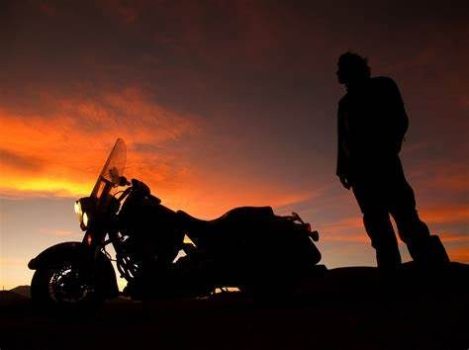
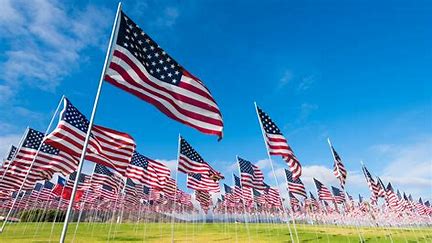
In 1985 I joined ROTC in college. It was an impulsive decision and to this day I can’t list my reasons for doing so in proper order. The world was relatively peaceful in Reagan’s America and we weren’t in a particularly Nationalistic phase. I think I was inspired by a good friend that I had seen positive changes in due to ROTC and wanted them as well. I had seen him acquire a purpose in his step, a determination in his gaze, and a confidence I had never seen in him. I think I wanted that. So in August 1985 I was off to Fort Knox, Kentucky.
I liked it and I didn’t. I enjoyed the physical aspect of it and cruised through that aspect of the training. I didn’t like the prospect of being an Officer. I was uncomfortable with my ability to lead and make decisions that may cost lives of my fellow soldiers. I was also a free thinker and rejected the simplicity of calling every target “Ivan”. 8 weeks later, I stepped off the plane at Logan Airport 25 pounds lighter, with a more purposeful step and 2 weeks to make the decision to continue. I would choose not to and I will always regret it.
I am the son and grandson of Veterans. My grandfather served as a SeaBee in the Navy in WWII and exemplified in every way the Greatest Generation. He returned home, made no conversation or complaints about the war, and began to rebuild a life. My father was called to Vietnam but when I was born he was restationed stateside. I beam with pride when I think of either of them. In addition, I have many friends who served, and some are still on active duty. I met some of them while living in an apartment complex 10 years ago. There was a group of 5 soldiers and their families, and I became close to them, despite being much older. I heard their stories, from the ones that were comfortable talking about it, and I shared more than one moment of tears and frustrations over drinks as they recalled experiences they endured as part of their jobs. I heard some things that I will never forget, nor will I minimize the importance of being trusted to hear them.
When the US entered WWII men and women flocked to the recruiting station to enlist. Young men lied about their age to fight for a righteous cause they believed in. Those at home all pitched in. People bought war bonds and curbed their own lifestyle to preserve resources for the war effort. Rosie the Riveter went to work in the factories. When the soldiers returned home, they were greeted as heroes. This country will never have a generation like that ever again.
In Vietnam, the cause was less righteous and appealing to people, and, while there were still many civic-minded young people, not enough volunteered, and a “draft” was created. The draft deeply divided this country and a generational culture war divided society. In stark contrast to the WWII generation, the unpopularity of the war extended to a terrible and unjust treatment of the soldiers returning home. After fighting with valor and a deep love of country, instead of being called heroes, they were spit upon and called “baby killers”. This in no way eased the return to society for a generation of soldiers who had seen a new, horrific side of warfare. It was a shameful time for this country.
Veterans of recent conflicts in Iraq and Afghanistan are facing the most critical lack of support ever. This is not to say that the good citizens of the USA don’t overtly support them proudly in spirit. The lack of support lies in benefits and resources both medically and in mental health. The Iraq/Afghanistan era veteran engaged in warfare unlike any other generation. There was no clear and defined enemy. Once Saddam’s Revolutionary Guard was defeated the war became borderless and the enemy unclear. In Afghanistan, brutal terrain and tribal loyalties and betrayals further complicated warfare. Traditional warfare, already out the window after Vietnam, was taken to an entirely new level as our soldiers were forced to deal with roadside bombs, mothers sacrificing babies to kill soldiers, vague and restrictive rules of engagement, a lack of equipment and recruits, and extended tours. These brave men and women have been subjected to evils that most reasonable people would have difficulty believing even exist only to return to society and be expected to be able to put everything they have seen aside and just function. Very few of us, perhaps only one who has been in that situation. I only know what I hear.
I hear of a hatred for the people that they were fighting and for those that they were supposed to be protected. A hatred that never subsides and will never go away.
I hear of resentment of officers who put soldiers in danger to advance their careers.
I hear of rules of engagement that are vague, ineffective and subject to constant change.
I hear of seeing comrades mutilated or decimated in a “red mist” right in front of them.
I hear of sleepless nights, drug and alcohol abuse and decimated families due to inability to compartmentalize and handle haunting memories.
I hear of a convoluted, overwhelmed and inefficient VA.
Veterans deal with all of this with as much dignity as they are able to muster every day. They don’t expect us to understand but they would appreciate our appreciation and respect. They still love their country and believe in something that a dwindling number of Americans subscribe to, the concept of Service.
I didn’t have that sense of service when I joined. I want to regret that but there’s nothing I can do about it. I now have a respect, dedication and commitment to service as I serve any way I can. In my Masonic endeavors, by volunteering, by helping strangers, and by always thanking a Veteran. To them, military service is not a career. It is a calling, a duty, a responsibility with a job description. They write a blank check to their country that may include up to their very life and they do it with pride.
Don’t pretend that you understand what they’ve seen and done in the name of service. Just appreciate that they were willing to do it. Remember that regardless of whether you agree with the assignment, the American soldier doesn’t question the orders, they do what they were trained for and do what they can to get themselves and their comrades home.
I cannot begin to say how much I appreciate that.








 The Tao of Bill